Tool Comparisons
Best AI Automation Tools for Small Business: Pick by Workflow
Best AI automation tools for small business depend on the workflow. Compare categories for calls, email, CRM, documents, and operations.

best ai automation tools for small business is a useful query because it captures a real decision, not just casual browsing. The right answer depends on timing, cost, risk, and the details behind the headline promise.
This guide keeps the advice practical. It explains what to compare, what to verify, where the common mistakes happen, and how to move from search result to decision without letting a generic list choose for you.
Quick answer
The best tool is the one that fits the workflow you can measure. Do not buy a platform because it says agentic. Buy it because it closes a real operational gap. If you only remember one thing, make the decision specific to your use case before you buy, apply, install, or rely on the result.
How to evaluate best ai automation tools for small business
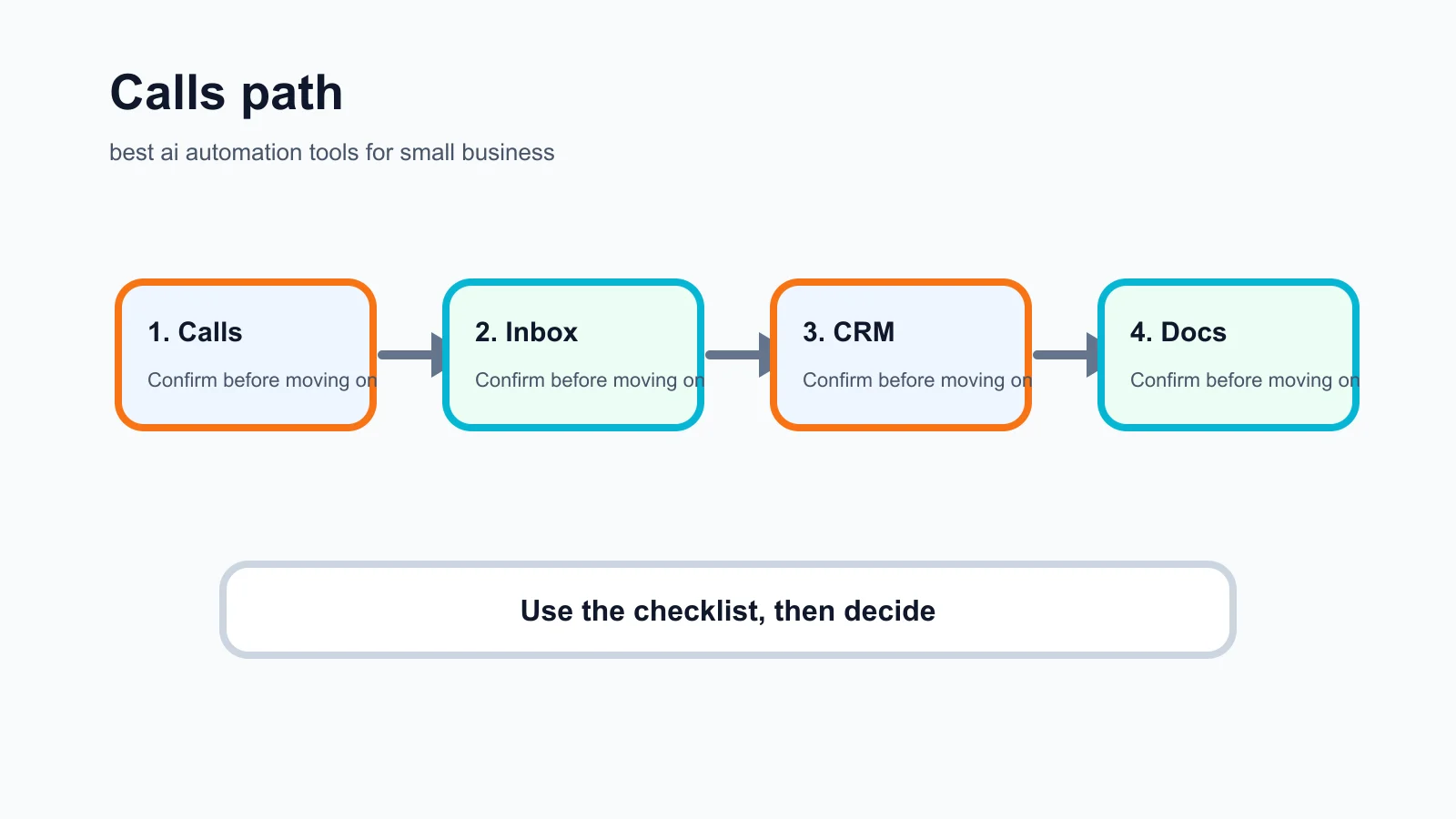
Voice agents handle phone intake, no-code builders connect apps, CRM automation manages leads, document AI extracts information, and help-desk AI drafts support replies. One tool rarely does all five well.
Look for integrations before features
A tool that connects to your calendar, CRM, inbox, forms, payment system, and help desk will usually beat a clever chatbot that lives alone. Integration depth decides whether automation saves time or creates copy-paste work.
For this reason, best ai automation tools for small business should be treated as a practical search phrase, not a promise that one answer fits every reader. Use it to frame the decision, then verify the details that apply to your situation.
Use a 30-day pilot scorecard
Give each tool one real workflow, one owner, one success metric, and one failure threshold. Keep notes on setup time, support response, false positives, handoffs, and how often staff override the output.
A useful article about best ai automation tools for small business should leave you with a next step, a warning sign, and a way to compare options without guessing.
Avoid tool sprawl in the first month
Small teams lose momentum when they test ten tools at once. Build one stack: intake, routing, drafting, approval, and reporting. Expand only when the first workflow runs reliably.
Decision checklist
Before acting on best ai automation tools for small business, slow the process down and check the items that actually change the outcome. A checklist protects you from outdated pages, sales copy, forum guesses, and generic advice.
- Voice agents: check this before you commit, because it changes the real-world answer.
- No-code builders: check this before you commit, because it changes the real-world answer.
- CRM automation: check this before you commit, because it changes the real-world answer.
- Document AI: check this before you commit, because it changes the real-world answer.
- Support drafting: check this before you commit, because it changes the real-world answer.
The strongest choice is usually the option that survives a real scenario. Write down your situation, compare the two or three most likely paths, and remove anything that depends on a claim you cannot verify.
Common mistakes to avoid
The first mistake is choosing from a headline alone. The second is treating a single review, vendor page, or social post as proof. The third is ignoring the small conditions that decide whether the recommendation actually fits.
For best ai automation tools for small business, the details matter more than the label. Price, timing, eligibility, setup steps, compatibility, rights, support, or safety can change the answer even when two options look similar on the surface.
What to verify before you act
A strong answer for best ai automation tools for small business should leave you with more than a headline. Before you buy, apply, book, install, or publish anything, write down the exact situation you are trying to solve, the rule or product detail that controls the outcome, and the source you will trust if two pages disagree. That small check keeps the advice practical and protects you from acting on a generic recommendation.
For aiworkloadautomation, this page is part of a larger decision path. Compare it with related guides, check the latest provider or official page, and keep notes on price, eligibility, timing, support, and proof. If a detail affects money, safety, benefits, travel connectivity, or channel trust, treat it as a required verification step rather than a nice-to-have footnote.
Frequently Asked Questions
What are the best ai automation tools for small business?
The best options depend on the workflow: voice tools for calls, Zapier or Make-style tools for app connections, CRM automation for leads, and document AI for forms or PDFs. When in doubt, use best ai automation tools for small business as the starting query and verify the final detail against official or primary sources.
Should a small business use one all-in-one AI platform?
Only if the all-in-one platform covers your actual tools. A focused stack is often safer than a broad platform with weak integrations. When in doubt, use best ai automation tools for small business as the starting query and verify the final detail against official or primary sources.
How should I compare AI automation tools?
Compare integration fit, setup time, pricing, review controls, data policy, and measurable time saved in a small pilot. When in doubt, use best ai automation tools for small business as the starting query and verify the final detail against official or primary sources.
Bottom line
The smart approach to best ai automation tools for small business is simple: define your situation, compare the decision points, verify the sources, and then choose the option with the clearest fit. That takes a few extra minutes, but it prevents the expensive kind of shortcut.
Official sources: Business.com 2026 SMB AI Outlook · Gartner AI agent forecast. Check current program pages before applying.